GM
Loading Your Journey...
Grand Magellan Ceylon Tours
Embark on an extraordinary journey beneath the waves. Discover historic WWII wrecks, ancient trading vessels, and the world's first purpose-built underwater museums along Sri Lanka's pristine coastline.
Embark on an extraordinary journey beneath the waves. Discover historic WWII wrecks, ancient trading vessels, and the world's first purpose-built underwater museums along Sri Lanka's pristine coastline.
Sri Lanka offers world-class diving year-round, but conditions shift strictly by region due to opposing monsoon cycles. Select a region below to plan your trip.
Colombo, Galle, Hikkaduwa, Weligama
Trincomalee, Pigeon Island, Batticaloa
15m – 25m
27°C – 29°C
Flat & Calm Seas
The calm northeast monsoon winds make the western and southern oceans flat and crystal clear. Perfect for exploring historical Dutch wrecks, deep steamship cargo vessels, and vibrant reef structures.
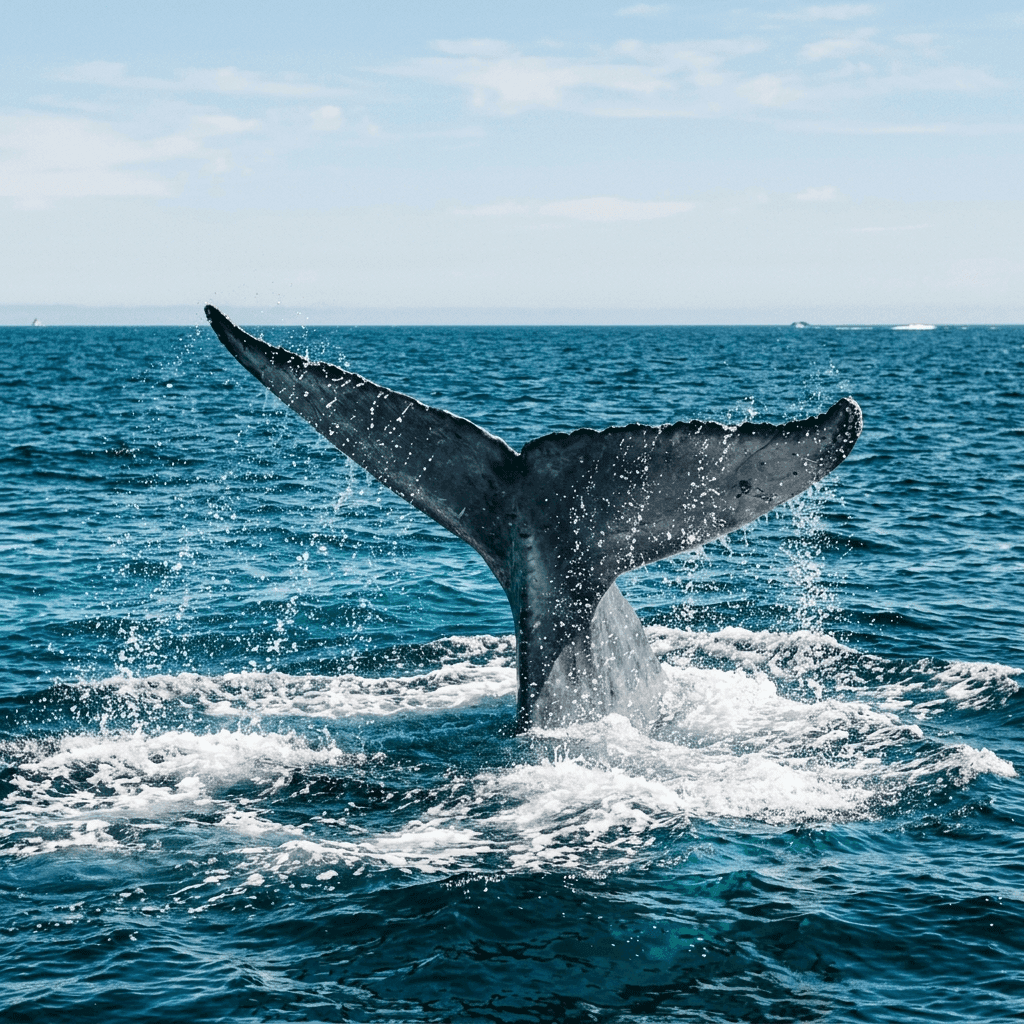
Plan your expeditions to witness Sri Lanka’s majestic marine giants. Select a species below to check seasonal availability and nesting patterns.
Sri Lanka is unique because resident blue whales stay year-round, while migratory whales pass through. They swim incredibly close to the coastline due to deep underwater trenches.
Explore documented shipwrecks and aircraft remains mapped around the island. Click on any site to discover its history, depth, and diving difficulty.
Established by the Sri Lanka Diving Unit, these eco-friendly underwater museums serve as incredible dive sites and vital artificial reefs supporting coral regeneration.
he Underwater Museum at Sandy Bay, Trincomalee was officially opened on July 20, 2020 as part of Sri Lanka’s initiative to promote sustainable marine tourism, recreational diving and coastal economic activity. Designed and constructed primarily by the Sri Lanka Navy, the museum became a landmark underwater attraction that showcases a combination of artistry, military heritage, and marine conservation. Two decommissioned armored tanks supplied by the Sri Lanka Army were added as major attractions, quickly rising in popularity among both local and foreign divers due to their size, recognizable form and the rapid marine colonization around them. The placement of the museum near intentionally sunk Sri Lanka Navy vessels—such as the nearby gunboat wrecks— further enhanced the area’s value as a combined dive site cluster.
The Galle Underwater Museum was a planned cultural and ecological project initiated by the Sri Lankan Navy. Construction began on 12 January 2020 and concluded on 05 April 2020. Commander of the Navy officially opened the museum. The project involved sinking and placing 20 stone pillars, 21 statues, and other artifacts at the site.
The Nilwella Museum was a planned initiative that began construction on 21 March 2021. The project was designed to create a complex artificial reef structure using a variety of decommissioned land and air assets. Key deployment events included the sinking of 3 vehicles, 4 house structures, and a bus halt on 21 March 2021. An aircraft and a CTB bus were sunk on 28 March 2021. The most notable placement was the sinking of an armoured tank on 23 March 2024.
Dive into the stories of Sri Lanka's most iconic maritime relics, including historical warships and wartime aircraft.
 1942
1942Depth: 140 ft / 43 m
The SS Athelstane was a British Royal Fleet Auxiliary (RFA) tanker constructed in 1918. As a vital logistical support vessel, she was essential for maintaining the operational capacity of the British fleet in the Indian Ocean. She was under escort by the corvette HMS Hollyhock when both ships came under attack during the massive Japanese air raids on Ceylon in April 1942. The vessel was struck by Japanese bombs. A direct hit on one of her central fuel tanks caused significant damage and ignited a fire. Remarkably, despite the heavy damage the ship remained afloat for over two hours. This delay allowed all crew members on board to survive making it a rare loss without fatalities.
Enquire About Diving This Wreck 1943
1943Depth: 140 ft / 43 m
The Catalina was an iconic, American-built amphibious aircraft used extensively for reconnaissance, anti submarine warfare (ASW), and convoy escort during World War II. This specific aircraft, Service ID Y 78, belonged to RAF 321 Squadron. The Catalina departed from Sigiriya Air Force base in the pre dawn hours of 09th December 1943. While heading east, approximately four minutes after crossing the coast, the port engine suffered a critical failure. The pilots executed an emergency sea landing in severe rain and strong winds. The aircraft immediately ruptured its hull upon impact with a large wave and sank within hours. Remarkably, despite the violent landing the entire crew of 11 survived and rowed to shore after 16 hours.
Enquire About Diving This Wreck 1942
1942Depth: 180 ft / 55 m
In April 1942, Ceylon faced one of the darkest moments of World War II. A powerful Japanese strike force, the same that had attacked Pearl Harbor, launched a massive air assault on the island. Their target was the British Eastern Fleet and among its ships HMS Hermes was the world’s first purpose designed aircraft carrier. Unlike earlier carriers converted from existing ships, HMS Hermes was built from the keel up as a carrier, making her a milestone in naval history. On April 9,1942 after striking Trincomalee harbour, Japanese pilots spotted HMS Hermes off the east coast. Defenceless without her aircraft, the carrier was immediately attacked by 70 dive bombers under the command of Lt Col. Mitsuo Fuchida. In just 10 minutes, HMS Hermes was struck by over 40 direct hits. She sank rapidly, taking 307 men with her. Survivors, many injured, clung to wreckage until rescued by the hospital ship Vita or swam ashore. Among the survivors was Charles Morgan, the Royal Navy’s official photographer aboard Hermes. Astonishingly, his film endured the ordeal, capturing the ship’s final moments later published in Hermes Adventure by his son, Rex Morgan. For nearly 40 years, Hermes lay hidden beneath the sea, known only to local fishermen. In the late 1970s, Sri Lankan divers guided by fishermen, rediscovered the wreck and revealed its story to the world. Today HMS Hermes rests as both a war grave and a remarkable underwater heritage site an enduring symbol of sacrifice and a treasure for divers exploring Sri Lanka’s WWII history.
Enquire About Diving This Wreck 1942
1942Depth: 140 ft / 43 m
HMS Hollyhock was a Flower class corvette commissioned in 1940. She specialized in Anti Submarine Warfare (ASW) and served vital Atlantic convoy duty before being deployed to the Eastern Fleet. At the time of the attack, she was performing an essential escort role for the RFA Athelstane during the large scale Japanese carrier striking force raid on Ceylon. On April 09 1942, while escorting RFA Athelstane, the Hollyhock was attacked by Japanese dive bombers. The vessel sustained multiple direct hits, causing catastrophic damage amidships, likely due to a bomb striking her magazine. The subsequent explosion sank the ship rapidly, within about a minute. The sinking resulted in the tragic loss of approximately 49 crew.
Enquire About Diving This Wreck 1942
1942Depth: 80 ft / 24 m
The SS British Sergeant was a large tanker built in 1922 and operated by the British Tanker Company (BP). She was a vital logistical transport vessel serving during the interwar and early World War II periods. She was off Batticaloa when she was attacked by Imperial Japanese Navy aircraft during the decisive Indian Ocean Raid in 1942. The vessel was attacked by Japanese aircraft while at Baticoloa on 09th April 1942. Bomb strikes ignited massive fires. The resulting structural damage and conflagration led to her sinking in the shallow coastal waters. Local fishermen and historical accounts confirm the sinking was due to bombs dropped during the Second World War.
Enquire About Diving This Wreck
Depth: 20 ft / 6 m
The Thirukkavil Iron Wreck is believed to be the remains of a small early 20th Century coastal cargo vessel or auxiliary craft. Its structural layout and iron materials suggest it served in near shore trade or logistics, possibly linked to colonial maritime routes along the eastern coastline. No official records regarding the vessel's identity or the circumstances of its sinking are available. It is assumed the vessel may have suffered a fatal hull breach after grounding during rough weather. The middle section of the shipwreck where a crane or mast base may have been is reported to be visible at the water surface, and local reports indicate that parts of the exposed wreck have been destroyed by looters.
Enquire About Diving This Wreck
Depth: 30 ft / 9 m
The Komari Boiler Wreck is believed to be the remains of a large coal fired steamship engaged in regional cargo or logistical transport along Sri Lanka's Eastern coast. The structural layout and engineering components clearly place it in the late 19. The early 20th century is the steam era of logistical operations. The lack of documentation suggests the vessel may have run aground during adverse weather conditions. The exact cause of the sinking is undocumented. Its near shore location and configuration suggest the vessel may have suffered a serious hull breach, likely by running aground on a hidden reef or shoal.
Enquire About Diving This Wreck
Depth: 30 ft / 9 m
The Thirukkavil Boiler Wreck is believed to be the remains of an early 20th century steam powered coastal transport vessel or auxiliary craft. Its mechanical features and construction suggest it may have operated under colonial administration. Its configuration and large 130 m length indicate it was a significant logistical vessel for its time. The Wreck lies near Vinayagapuram village, close to the Thirukkovil coast. No official records confirm the vessel's identity or the circumstances of its sinking. The damage pattern and shallow resting depth indicate the vessel may have suffered a fatal hull breach, likely due to grounding during rough sea conditions. Locals took the propeller after the sinking,
Enquire About Diving This Wreck 1967
1967Depth: 40 ft / 12 m
The MV Ledra was a substantial diesel powered cargo vessel built in 1940, originally operating under names like SS Sutherland and MV La Bahia. Her diesel engine distinguishes her as a post World War II vessel, marking the transition away from the older triple expansion steam technology common in nearby wrecks. By the time of her loss in 1967, she was flying a Cypriot flag and was engaged in general coastal cargo transport. The vessel ran aground near Kalmunai in November 1967. The cause of loss is recorded as running aground and being wrecked. The wreck spread over a broad area and was subsequently damaged by strong wave action. Over the time, salvaging for scrap iron by local divers has removed much of the hull and superstructure, further degrading the site.
Enquire About Diving This Wreck
Depth: 30 ft / 9 m
The Kalmunai Boiler Wreck is believed to be the remains of a mid 20th Century steam powered coastal vessel, likely engaged in transport or supply operations along the Eastern Province. While its identity and exact date of loss are unrecorded, its structural remains particularly the boilers suggest its type. Its location near shore and configuration suggest it operated under circumstances that led to grounding or storm related damage. No official record exists regarding the vessel’s identity or the circumstances of its sinking. The proximity to shore and the structural damage observed suggest the vessel ran aground. Over the time, the wreck has been heavily degraded, with local divers reportedly salvaging significant portions for scrap iron, including hull plating and fittings, contributing heavily to its fragmented state.
Enquire About Diving This Wreck.jpg&w=1920&q=75)
Depth: 90 ft / 27 m
The wreck is an unidentified steamship that historians believe was transporting coal when it sank near Colombo around the early 1900s. Its identity remains a maritime mystery as no corresponding official historical records have been conclusively linked to its location and structural features. Local fishermen provided the initial information that led to the wreck's discovery by divers in 2012. While its specific name and circumstances of sinking are uncertain, its sheer size and cargo type firmly place it in the context of the early 20th century bulk transport fleet supplying the coaling stations of the British Empire.
Enquire About Diving This Wreck 1881
1881Depth: 30 ft / 9 m
The SS Brennus was a British cargo steamer built in 1878, utilizing a two cylinder compound steam engine for propulsion. In 1881, she was on a trading voyage from Visakhapatnam, India to London, carrying a cargo of jaggery (unrefined sugar). On 07 July 1881, the vessel struck an uncharted reef northeast of Batticaloa. The grounding caused catastrophic structural damage, wrecking the ship beyond recovery. The incident was so significant that the navigational hazard was subsequently named Brennus Shoal. The crew safely abandoned ship, as no casualties were reported.
Enquire About Diving This Wreck 1983
1983Depth: 100 ft / 30 m
On 13 March 1983, the MV Chief Dragon, a South African owned car carrier, was sailing from Yokohama to Bahrain when a devastating fire broke out 241km southeast of Dondra Head, Sri Lanka. The crew was forced to abandon ship but were later rescued safely, with no loss of life. The badly damaged vessel was towed to the outer harbour anchorage off Colombo for salvage. However, on 8 April 1983, the Chief Dragon sank while at anchor. Though the exact cause of its sinking remains uncertain, fire damage is believed to be the most likely reason.As the wreck lay close to harbour approaches, posing a hazard to shipping, the Colombo Ports Authority demolished the bridge and upper structures with explosives. Nautical charts now mark the site as “clear for navigation but foul for anchoring.” In the years immediately following the sinking, a few divers obtained special permission to explore the wreck. However, with the escalation of the civil war, the site became inaccessible for nearly three decades under strict naval security. With the end of the war in 2009, fishermen gradually regained access to long lost fishing grounds near the harbour and divers soon followed. The wreck of the Chief Dragon thus remains both a relic of maritime tragedy and a symbol of renewed freedom on Sri Lanka’s seas.
Enquire About Diving This Wreck 2012
2012Depth: 60 ft / 18 m
The MV Thermopylae Sierra was a Cyprus flagged bulk carrier built in 1985. Measuring approximately 150m in length and 25m in width, the vessel was anchored off the coast of Colombo in 2009 following a prolonged legal dispute. The ship was abandoned by its crew due to a lack of maintenance and basic facilities. After nearly three years of inactivity and deteriorating conditions, the vessel eventually sank on 23 August 2012 due to structural failure amidst harsh monsoon conditions.
Enquire About Diving This Wreck 1994
1994Depth: 100 ft / 30 m
The MV Pecheur Breton, a Honduran owned cargo vessel, carried with her a long and varied past. For 33 years, she sailed under different names and flags, serving many masters across the world’s oceans. In 1994, she embarked on her final voyage bound from the Seychelles to a scrapyard in India. But fate intervened. Rough monsoon seas and a severe leak in Hatch 02 caused the ship to list starboard. Her cargo shifted suddenly, and she sank off the coast of Sri Lanka. Remarkably, all crew survived. Resting now at a depth of 32m, the Pecheur Breton avoided the anonymity of the scrapyard. Instead, she was transformed into a vibrant artificial reef, her steel hull hosting corals, reef fish, and attracting both fishermen and divers alike. What could have been a forgotten end became a new beginning an underwater sanctuary where history and marine life thrive together.
Enquire About Diving This Wreck 1908
1908Depth: 30 ft / 9 m
The SS Sir John Jackson was a large, steel hulled British cargo steamer built in 1905, utilizing a powerful triple expansion steam engine. She was on a long distance voyage from Saigon (Vietnam) to Bordeaux (France), carrying a cargo of rice and maize. The ship ran aground in the same general area as the earlier SS Brennus (1881) in 1908. Her inability to reverse off the shallow hazard led to her eventual loss. On 27th September 1908, the vessel ran aground on Brennus Shoal off the coast of Batticaloa. Due to the firm purchase of the shoal, the vessel was unable to be re floated. The ship eventually broke apart in the shallow, turbulent water. The wreck now rests only a few meters away from the older SS Brennus, creating a unique two wreck dive site.
Enquire About Diving This Wreck
Depth: 100 ft / 30 m
The Taprobane East Wreck is a small unidentified barge resting offshore, East of Colombo near the Taprobane Reef area. The vessel is located approximately 3.5 Nm on a bearing of about 230∘(Southwest) from the Colombo Harbour entrance. Local divers speculate it might have been a work barge or cargo lighter used in the mid 20th century, which sank under unknown circumstances. The wreck’s extensive marine growth indicates it has likely remained underwater for several decades.
Enquire About Diving This Wreck 1926
1926Depth: 56 ft / 17 m
The SS Lady McCullum was a local Ceylonese coastal steamer built in 1908 and operated by the Ceylon Steamship Co. in the early 20th century. Her role was critical for regional logistics, transporting both passengers and cargo, including commodities like copra and rice. In 1926, the vessel ran aground on a submerged reef near Kayankerni while navigating in poor weather. She was on a voyage from Kalkudah to Trincomalee. Attempts to re float her failed, and the ship eventually sank upright onto the seabed.
Enquire About Diving This Wreck 1917
1917Depth: 190 ft / 58 m
The SS Worcestershire was a British armed merchant ship belonging to the Bibby Line, measuring approximately 137.9m in length and 16.6m wide. Built in 1904, it was powered by quadruple expansion steam engines. On February 17, 1917 while traveling from Rangoon to London during World War I, it struck a mine laid by the German raider SMS Wolf near Colombo. The explosion caused severe damage, leading to its sinking with the loss of two crew members. The wreck remained unidentified until exploratory dives and archival research confirmed its identity in 2012, with the ship's bell reportedly found in 2014 by underwater explorer and technical diver, Dharshana Jayawardena.
Enquire About Diving This Wreck 1917
1917Depth: 140 ft / 43 m
The SS Perseus was a British cargo ship built in 1908 and owned by the Blue Funnel Line. The vessel was active during World War I and was transporting general cargo when it was lost. On 21st February 1917, the Perseus struck a German mine approximately 11 nautical miles west of Colombo. The mine was part of a strategic minefield laid by the German raider SMS Wolf, operating in the Indian Ocean. The wreck's identity, long suspected, has recently been confirmed through recovered artefacts, including the ship’s bell by Mr Dharshana Jayawardana.
Enquire About Diving This Wreck
Depth: 140 ft / 43 m
The Wallet Wreck is an unidentified vessel resting offshore, about 10Nm off the coast of Colombo. The original name, flag, date of loss, and cause of sinking all remain unknown or unconfirmed in publicly accessible sources. Local speculation suggests it might have been a work barge or cargo lighter used in coastal trade. The absence of verified archival records linking the wreck to a specific ship means its identity remains "unidentified wreck".
Enquire About Diving This Wreck
Depth: 100 ft / 30 m
The Lotus Barge is an unidentified wreck lying approximately 10Nm off the coast of Colombo. The exact name of the vessel, its date of loss, and the cause of sinking all remain unknown or unconfirmed in publicly accessible sources. A Underwater Explorer and technical diver, Dharshana Jayawardane, formally documented the site and gave it the informal name "Lotus Barge". The vessel appears to be a physical remnant of older steam era barges or harbour traffic.
Enquire About Diving This Wreck 1997
1997Depth: 70 ft / 21 m
The MV Astoria was a coastal cargo ship, built in 1956, originally named Inand. The vessel measured approximately 75m in length and 12m wide. The ship sank close to the Colombo Harbour breakwater in September 1997 during a heavy storm. At the time of its loss, the vessel carried mixed cargo, including numerous bags of cement and rice. Water flooded the cargo holds during the storm, and despite rescue efforts, the ship was lost, though all crew members were safely rescued.
Enquire About Diving This Wreck 1997
1997Depth: 100 ft / 30 m
Just off the coast of Mount Lavinia, resting quietly on the seabed, lies the wreck of the MT Nilgiri affectionately known by local fishermen as “The Tug.” This 55m utility tug, which sank during a fierce storm in 1997, has since transformed into a vibrant underwater ecosystem and an unforgettable dive site. Descending towards the wreck, divers are often greeted by the unmistakable presence of lion fish. With their striking fins and fearless nature, they hover defiantly around the wreck, guarding their territory like the lions of the sea. Their vivid colours and bold behaviour make for both a breathtaking and humbling encounter. The wreck itself lies upside down on the seabed, its hull forming an impressive silhouette in the underwater gloom. A cavernous swim through beneath the overhanging deck shelters a dazzling array of marine life puffer fish, moray eels, stingrays, schooling batfish, and trevally are frequently sighted here. In the calmer months of April, massive bait balls swirl around the wreck, chased by hungry predators, creating a dramatic spectacle of survival. For the more experienced and technically trained, the forward cabins and compartments of the Nilgiri offer opportunities for deeper exploration. But for most divers, the true highlight remains the interaction with the resident lion fish, whose imperious presence makes this site unlike any other. The wreck of the Nilgiri is more than just a dive it is a living story of resilience, transformation, and the untamed spirit of the ocean.
Enquire About Diving This Wreck.jpg&w=1920&q=75)
Depth: 40 ft / 12 m
The wreck is an unidentified vessel lying off the coast of Colombo, named by local divers as the sugar wreck. The vessel is located approximately 5Nm on a bearing of 340 (North-Northwest) from the Colombo Harbour entrance. Detailed historical records about the ship’s identity and circumstances of sinking are limited, making its origin and exact sinking date unknown.
Enquire About Diving This Wreck
Depth: 140 ft / 43 m
The Toilet Barge is a small, unidentified wreck located off the coast of Colombo, estimated to be around 80m long and 15m wide. The name comes from its distinctive feature of a solitary ceramic toilet (commode) situated midship on the deck, which gives the wreck its memorable. The vessel itself appears to have been a utility barge or small workboat, likely transporting sanitary items or related cargo, and likely sank sometime in the late 20th century. Since its official name remains unknown, underwater explorer and technical diver, Dharshana Jayawardane, formally documented the site and gave it the informal name "Toilet Barge" and divers continue to refer to it by its unique nickname.
Enquire About Diving This Wreck 1931
1931Depth: 215 ft / 66 m
The MV Tricolor was a Norwegian cargo ship, built in 1925 by Deutsche Werft A. G., Hamburg, measuring 134.7m in length. On January 05, 1931 while on voyage from Oslo to Yokohama with general cargo, the vessel suffered an internal explosion and subsequent fire off Beruwala. The internal explosion, likely caused by accidental cargo combustion, led to the rapid sinking of the vessel and the loss of six crew members.
Enquire About Diving This Wreck 1942
1942Depth: 60 ft / 18 m
The SS Sagaing was a steam-powered cargo vessel built in 1925, originally operating on the critical trade routes of the East Indies and the Bay of Bengal. By 1942, the ship had been formally requisitioned into service, supporting allied logistical requirements in the Indian Ocean theatre. Her vital cargo manifest included munitions, submarine nets, general military stores and personnel, cementing her role as a crucial component of the merchant marine's logistical backbone. At the time of the attack, the Sagaing was in Trincomalee Harbour, a key strategic naval base. The vessel became a casualty during the devastating Japanese Easter Sunday Raid on 9 April 1942. During the carrier-based air attack, the SS Sagaing was repeatedly targeted by bombs and sustained bombarding runs. The impacts initiated large-scale fires in the cargo holds, leading to the rapid ignition of her volatile cargo, including fuel and ammunition stores. To mitigate the risk of a catastrophic, secondary explosion that could endanger adjacent vessels and harbour facilities, the Port Authority commander issued the order for immediate scuttling. The severely damaged and burning vessel was subsequently towed away from other moorings and deliberately sunk in shallow water. For decades, the wreck remained in Trincomalee harbour, with parts of the superstructure above the waterline.
Enquire About Diving This Wreck
Depth: 90 ft / 27 m
During World War II, the port of Trincomalee functioned as a critical forward operating base for the Eastern Fleet, supported heavily by its Fleet Air Arm (FAA) contingent. Naval aircraft were continuously cycled through shore facilities for operational tasking, scheduled maintenance and necessary battle damage repair. Due to the difficulty and cost of transporting extensively damaged air frames back to the UK, the standard naval procedure was to declare certain assets beyond economic repair. These decommissioned air frames, having been stripped of all reusable avionics and specialized components, were then scheduled for deliberate deep water disposal within the naval operational area, thus minimizing obstruction to harbour traffic. This site is a compelling piece of WWII archaeology. Its insight into the day to day operations and resource management challenges faced by the Fleet Air Arm in the Eastern theatre. The presence of the air frame, key components, serves as direct material evidence of the maintenance, and disposal processes conducted from the Trincomalee shore stations.
Enquire About Diving This Wreck
Depth: 60 ft / 18 m
The inner waters of Trincomalee port served as the forward operating base for the Royal Navy's Eastern Fleet and its defence was mounted primarily by fighters of the Fleet Air Arm (FAA) and the Royal Air Force (RAF). A number of aircraft, including British Hawker Hurricanes, were lost while actively engaging in the war. This specific wreck is situated in the immediate operational area and is believed to represent a combat casualty from this intense engagement.
Enquire About Diving This Wreck
Depth: 50 ft / 15 m
The SLNS Balawatha was a pivotal component of the initial naval modernization efforts of the Sri Lanka Navy, entering service in 1972 as one of the new Shanghai class Fast Gun Boats. These vessels were essential for establishing effective coastal security and maintaining maritime domain awareness, particularly regarding harbour defense and convoy escort duties. The SLNS Balawatha was an intentional scuttling and sinking was executed specifically to establish an artificial reef structure and a unique training site for divers. The location near Mother Ridge was chosen for its protected waters and optimal depth which are conducive to rapid bio-colonization and safe penetration training.
Enquire About Diving This Wreck
Depth: 50 ft / 15 m
The SLNS Dhakshaya represented a critical phase in the initial naval modernization of the Sri Lanka Navy, forming part of the foundational squadron of Fast Gun Boats commissioned in the 1970s. Alongside its contemporaries (Ranamakee, Balawatha), the Dhakshaya restored the fleet's offensive capability.
Enquire About Diving This Wreck
Depth: 60 ft / 18 m
The vessel is identified as a small harbour tug, a crucial component of the logistics chain supporting the major naval operations in the port of Trincomalee. Tugs of this size were vital for manoeuvring large naval ships. Given its resting place at Mother Ridge as known as "graveyard" for early decommissioned SLN vessels (Ex Balawatha, Ex Dhakshya). It is highly probable the tug was utilized for naval duties before being intentionally scuttled upon retirement.
Enquire About Diving This Wreck
Depth: 60 ft / 18 m
The vessel small auxiliary barge, performing essential duties for the Port Authority, likely transporting materials or supporting pier maintenance within Trincomalee Harbour. The barge originally sank at the TTAA pier, creating a navigational obstruction. Following harbour clearance requirement, the vessel was subsequently re floated to clear the berth. Current Wreck Condition. The sinking was a controlled event, not an accidental loss or combat casualty. It was a planned disposal operation executed to achieve two objectives called to permanently remove the obstruction from the active pier area and to provide a stable, shallow and safe wreck structure with salvage skills.
Enquire About Diving This Wreck 2020
2020Depth: 60 ft / 18 m
The SLNS Jagatha represented the final acquisition phase of the Shanghai-class Fast Gun Boats, formally commissioned in 1980. These FGBs constituted the core fighting strength of the Navy's small-craft fleet throughout the 1980s and 1990s. The vessel's primary operational mandate was to maintain continuous coastal vigilance, perform rapid interdiction of illicit sea traffic, and provide essential coastal fire support during ground operations. After rendering over four decades of service in ensuring maritime security, the Jagatha was ceremonially retired alongside its sister ship SLNS Weeraya, in 2020.
Enquire About Diving This Wreck 2020
2020Depth: 60 ft / 18 m
The SLNS Weeraya was a cornerstone vessel in the early fleet modernization of the Sri Lanka Navy, entering service in February 1972 as part of the initial procurement of Type 062 Shanghai II-class fast gunboats. These assets were crucial for enhancing the nation's coastal defence capability, specializing in interdiction, rapid response and providing reliable gunfire support in littoral waters. Throughout its operational career, the SLNS Weeraya, along with its sister ships, played an essential, though often understated, role in maintaining maritime security and prosecuting operations during the conflict era. Following its retirement, the Ex SLNS Weeraya was selected for intentional scuttling as part of the SLN's program to develop artificial reef ecosystems. Executed to position the vessel upright on the sandy bottom of Sandy Bay.
Enquire About Diving This Wreck
Depth: 215 ft / 66 m
During the Second World War, Trincomalee served as a major operational base and primary logistics hub for the Royal Navy's Eastern Fleet. The Fleet Air Arm (FAA) maintained significant assets in the area, primarily stationed at HMS Bambara, the shore establishment located at present day China Bay. This facility managed all naval aviation operations, including the vital servicing and repair of carrier borne aircraft deployed with the Fleet. Specialized infrastructure at locations like Clappenburg Wharf facilitated the offloading of damaged air frames from aircraft carriers for subsequent evaluation, repair, or utilize for spare parts. Aircraft deemed to be beyond economic repair or completely unserviceable were routinely stripped of usable components and earmarked for deliberate deep water disposal.
Enquire About Diving This Wreck 1944
1944Depth: 140 ft / 43 m
AFD 23 was a substantial steel structure purpose built in 1944 to support the Royal Navy's massive commitment to the Eastern Fleet during World War II. It was commissioned in India and subsequently towed to Trincomalee, then serving as a crucial, deep water Allied naval base. Its primary strategic function was to provide rapid battle damage repair and routine maintenance for large capital ships, cruisers, and destroyers, thereby ensuring high operational availability for the fleet opposing Japanese forces in the Indian Ocean theatre. The AFD 23 sinking on 8 August 1944 was a major non combat incident. The event occurred during a critical docking operation involving the Queen Elizabeth class battleship HMS Valiant. A sudden and catastrophic control failure within the complex ballast tank and compartment system led to uncontrollable, progressive flooding. This imbalance caused the dock to develop a severe list, rapidly leading to capsizing and eventual sinking in deep water. Though HMS Valiant was successfully undocked in a swift maneuver, AFD 23 settled on the seabed completely, where it remains permanently decommissioned.
Enquire About Diving This Wreck 1795
1795Depth: 140 ft / 43 m
HMS Diomede was a powerful 44 gun fifth rate frigate, commissioned in 1781 and deployed to the Indian Ocean with the strategic objective of neutralizing French influence and seizing Dutch colonies after the establishment of the Batavian Republic. In July 1795, the Diomede sailed with a British fleet under Rear Admiral Peter Rainier, with orders to capture Trincomalee, then a vital Dutch stronghold. The vessel was heavily armed, carrying an array of 18 pounder and 9 pounder guns, and her presence was critical to the successful landing operation that followed. The Circumstances of the Loss The vessel's loss was an operational mishap and not a combat casualty. On August 02, 1795 while maneuvering into the bay and towing a transport brig loaded with troops and supplies for the impending siege, the Diomede struck an uncharted sunken rock. The impact caused catastrophic hull damage, leading the wooden frigate to founder and sink almost immediately in the deep Anchorage of Back Bay. Although the crew and personnel were safely evacuated, the ship was lost with all its stores, temporarily delaying the invasion effort until the other forces secured the area later that month.
Enquire About Diving This Wreck
Depth: 246 ft / 75 m
Trincomalee Harbour, as the main base for the British Eastern Fleet during World War II, sustained massive logistical and combat activity. Given the 75 meters depth and this unidentified vessel could be a part of the naval vessel or a subsequent deep water disposal by the Fleet Air Arm or Port Authority.
Enquire About Diving This Wreck 1871
1871Depth: 100 ft / 30 m
The SS Rangoon was an iron built steamer used by the P&O Line on the Suez/Kolkata service, representing 19th century transport technology. The vessel was on its way from Bombay (now Mumbai) to Colombo, carrying cargo and civilian passengers. On 01 November 1871, while approaching Galle harbour, the ship ran ground, causing severe hull damage amidships. After being holed, the ship eventually sank stern first in the harbour. Fortunately, all the passengers and crew were safely rescued, resulting in no casualties.
Enquire About Diving This Wreck 1979
1979Depth: 90 ft / 27 m
The Wombat was a Panamanian utility barge that sank near Nilwella. The vessel was under tow from Singapore and carrying a load of mining equipment when it was lost. The loss occurred on 16th February 1979. The exact cause of the sinking is unclear, but it may have been due to adverse weather conditions, navigational errors, or mechanical failure. Since salvaging the sunken vessel was challenging and costly, the Wombat barge remains in the same location.
Enquire About Diving This Wreck
Depth: 20 ft / 6 m
The Bottle Wreck is a famous shipwreck found off the Great Basses Reef on the southeastern coast of Sri Lanka. The site is commonly known as the Bottle Wreck due to the large number of glass bottles scattered around the area. The vessel is comparatively dated to be around 1850, indicating a loss during the colonial period. The wreck site was discovered in the 1970s and provides valuable insights into Sri Lanka's maritime history and global interactions.
Enquire About Diving This Wreck 1994
1994Depth: 60 ft / 18 m
The vessel began its maiden journey in 1966 as the M/S Lednice sailing for Czechoslovakia merchant fleet and playing a part in the extensive maritime trade routes of Eastern Europe. After decades of service the ship was sold and re registered in 1989 as M/V Ocean Trader. It's service came to an abrupt end on October 9, 1994 when the vessel was sunk off Vettalakeni coast in Northern Sri Lanka. The vessel came to rest upright on the sandy and rocky seabed.
Enquire About Diving This Wreck 1885
1885Depth: 30 ft / 9 m
The SS Indus was an advanced large tonnage passenger steamship commissioned in 1871 designed for long range mail and passenger transit. At the time of her loss, the Indus was sailing from Kolkata to London serving as a key link in the strategic communication and transport network of the British Empire. On November 08, 1885 the Indus ran violently aground on the Muliavattu Shoal, a treacherous, shallow chain. This notorious area is characterized by shifting sandbars and challenging navigation often compounded by poor visibility. The severe impact caused catastrophic structural damage to the iron hull and the vessel was subsequently declared a total loss.
Enquire About Diving This Wreck 1858
1858Depth: 30 ft / 9 m
The SS Ava was an iron hulled ocean liner built in 1855, representing the cutting edge of steam technology for the era. Owned by the prestigious P&O Line, her primary function was maintaining critical Sea Lines of Communications (SLOCs) by transporting mail, passengers, and high-value cargo between Britain and the East. At the time of her loss on February 16 , 1858 she was en route from Calcutta to Suez, The vessel was due to call at Trincomalee to deliver the species.
Enquire About Diving This Wreck 1997
1997Depth: 60 ft / 18 m
The MV Cordiality was a Panamanian registered bulk carrier, 197.5 meters in length. The Vessel was sunk on September 09, 1997 off Pulmudai during the conflict. The ship was carrying a large load of ilmenite (heavy mineral sand), with estimates around 27,000-29,000 tonnes aboard.
Enquire About Diving This Wreck 2009
2009Depth: 100 ft / 30 m
The MV Medhufaru was a Maldivian flagged cargo ship, built in 1976 by Astilleros de Huelva, S.A. The vessel was lost on 05 June 2009 off the coast of Mount Lavinia, about 3.5Nm west of shore. The cause of the sinking is attributed to foundering, likely due to structural failure or hull collapse.
Enquire About Diving This Wreck
Depth: 30 ft / 9 m
This wreck is situated in the off Panadura Area and forms part of the Panadura Nilkete Wrecks complex. The site is historically significant as underwater explorer and technical diver, Dharshana Jayawardena identified one steamship here as the SS Justitia (sunk 1885), but the specific identity of this wreck (Boiler 01) remains uncertain. The vessel is massive, with an estimated length of approximately 120m, suggesting it was a large steamship from the late 19th century.
Enquire About Diving This Wreck
Depth: 30 ft / 9 m
This wreck is located in the Panadura Sea area alongside Boiler Wreck 01. The vessel is a medium sized steamship, with an estimated length of 80meters. The bow section is oriented towards the North-West (NW).
Enquire About Diving This Wreck 1893
1893Depth: 40 ft / 12 m
The Earl of Shaftsbury was a large British cargo sailing vessel, built with an iron hull in 1883 for the Earl Sailing Ship Line. On 08 May 1893, while en route from London to Kolkata, the vessel ran aground and was wrecked after striking a reef off Akurala. The crew managed to abandon the ship before it sank, resulting in no casualties. Measuring approximately 88.2 m in length, the vessel was one of the last large sailing ships of the era lost on this route.
Enquire About Diving This Wreck 1903
1903Depth: 60 ft / 18 m
The SS Conch was a British steel hulled tanker, built in 1892 for the Shell Transport & Trading Co. On 03 June 1903, the ship was on a voyage from Novorossiysk to Madras, carrying a cargo of kerosene. The vessel ran aground and was wrecked after striking the Akurala Rock, located 15 Nm from Galle. The ship began taking on water, but the crew managed to abandon the ship before it sank, resulting in no casualties. The SS Conch is a protected site under Sri Lanka's Antiquities Ordinance.
Enquire About Diving This Wreck 1956
1956Depth: 40 ft / 12 m
The SS Aenos was a Liberian cargo ship, built in 1920 by John Blumer & Co., Sunderland. The vessel was on a voyage carrying a cargo of manganese ore. On 04 March 1956, the Aenos was wrecked on rocks 3 miles northwest of Galle. The site is considered an archaeological site of value.
Enquire About Diving This Wreck 1988
1988Depth: 40 ft / 12 m
The Extracto I was a bulk carrier motor vessel built in 1975 by Narasaki Zosen in Muroran. The vessel was carrying a cargo of cement and was on a voyage from Pulau Langkawi to Galle. On 28 October 1988, the ship encountered bad weather and ran aground on a reef near the entrance of Galle Harbour. Due to the extent of the damage caused by the grounding, the vessel was deemed a total loss. Efforts to re float the ship were unsuccessful, and it sank in shallow waters near the harbour. Fortunately, all crew members aboard the vessel were rescued safely.
Enquire About Diving This Wreck 1876
1876Depth: 80 ft / 24 m
The SS Orestes was a British passenger/cargo steamer, built in 1875 for the Blue Funnel Line (Alfred Holt & Co.). The vessel was on its second voyage, bound for China via Galle, carrying a valuable general cargo and coal for coaling. On 07 March 1876, the ship struck the Gindura Reef (Geindura Reef) while making its way to the port. Although the ship got off the rock, it was so severely damaged that water flooded the engine room, putting out the fires. The vessel eventually sank in the outer anchorage of Galle Harbour. Fortunately, all crew members and the single female passenger survived and reached shore safely.
Enquire About Diving This Wreck
Depth: 60 ft / 18 m
The Niyandagala Wreck is the remains of a large steamship, The vessel ran aground on the Niyandagala reef near Godawaya.
Enquire About Diving This Wreck
Depth: 100 ft / 30 m
The Godawaya shipwreck refers to the remains of an old ship found off the coast of Godawaya, a small fishing village. The vessel's build year is formally dated to the 1st to 4th Centuries AD, although local estimates sometimes place it during the colonial period. The shipwreck was discovered in 2003 by a group of fishermen and later investigated by the Department of Archaeology in Sri Lanka. The site is highly significant, as it provides deep insights into Sri Lanka's maritime history and its interactions with the rest of the world.
Enquire About Diving This Wreck
Depth: 40 ft / 12 m
The Silver Coin Wreck received its name due to the remarkable cargo. It carried sacks of Mogul silver coins dating back to 1702. These historic coins were minted in Surat, India, during the reign of the Mughal Emperor Aurangzeb. The wreck is believed to be the remains of a 19th century ship that was carrying a cargo of silver coins from India to China when it ran aground on the Great Basses Reef. The shipwreck was discovered in 1961 and was the focal point of explorations led by divers and underwater photographers, including Arthur C. Clarke. The cargo of silver coins is believed to be worth millions of dollars, making the wreck the subject of several salvage attempts over the years.
Enquire About Diving This Wreck.jpg&w=1920&q=75)
Depth: 60 ft / 18 m
The Copper Wreck is believed to be the remains of a 19th century British cargo ship. The wreck was discovered in the 1960s and is considered one of the most important historical and archaeological sites in Sri Lanka's waters.
Enquire About Diving This Wreck 1968
1968Depth: 40 ft / 12 m
The SS Universal Trader was a Liberian cargo ship, built in 1944. The vessel was on a voyage with a cargo of coal when it ran aground on rocks near Uda Point, Sri Lanka in heavy weather. On 09th March 1968, the ship subsequently broke into two pieces. The ship's dimensions are approximately 134.4m in length and 17.4m in width.
Enquire About Diving This Wreck 1977
1977Depth: 40 ft / 12 m
The MV Chryssopigi Cross was a Panamanian cargo ship built in 1950, originally by Higashi Nippon Jukogyo K. The vessel was massive for its time, measuring 146.3m in length and displacing 8,324 GRT. On 16 October 1977, the vessel was on a voyage from Shanghai to Syria with a cargo of rice. The ship encountered a storm and ran aground on the Ala Gala Rock (also known as Alugla Rock), located approximately 2 miles southwest of Galle. Due to the severe grounding, the vessel subsequently broke in two.
Enquire About Diving This Wreck
Depth: 155 ft / 47 m
The wreck known today as the Battery Barge lies off Colombo. The exact identity of this vessel is still unknown, and the circumstances of its sinking remain a mystery. Based on its structure and the presence of a large boiler discovered within the wreck, it is believed that the vessel may have been a small transport ship or barge from the late nineteenth or early twentieth century, operating during the steam powered era. The wreck rests quietly on the seabed and over time has become a well known dive site among local divers. Although the true name of the vessel has never been confirmed, the wreck has gained recognition because of its interesting structure and the rich marine life that has developed around it.
Enquire About Diving This Wreck
Depth: 100 ft / 30 m
The wreck commonly known as the Clarke Wreck is located off Colombo on the western coast of Sri Lanka. The wreck is believed to be a small barge type vessel, but its exact identity and history are still unknown. Over the years it has become a known dive site among local divers. The site received the name Clarke Wreck in honour of the famous author and underwater explorer Arthur C. Clarke. Clarke, who lived in Sri Lanka for many years, was also an enthusiastic scuba diver and took a dive at this wreck during the early 1990s. Because of this connection, divers later started referring to the site as the Clarke Wreck. Today the wreck remains an interesting underwater location that attracts divers who are interested in exploring historic wreck sites and observing marine life.
Enquire About Diving This Wreck 2018
2018Depth: 60 ft / 18 m
MV We Ling was a small cargo vessel that later came under the custody of the Sri Lanka Navy during the final phase of the internal conflict in Sri Lanka. After the conflict ended, the vessel remained under naval control but was found to be in an unusable condition, the decision was made to convert the vessel into an artificial reef. In 2018, the ship was intentionally scuttled off Negombo with the aim of promoting marine life and creating a unique diving attraction. Before the vessel was sunk, several bullet-proof vehicles that had previously been used for presidential security transport were placed on the wreck. These vehicles could not be released to the public due to security considerations, and therefore they were positioned on the seabed together with the ship. This unusual feature makes MV We Ling one of the most distinctive artificial reef dive sites in Sri Lanka.
Enquire About Diving This Wreck
Depth: 25 ft / 8 m
The wreck believed to be MV Misen lies in the sea area off Pesalai on the north western coast of Sri Lanka. The vessel was a small transport or supply ship operating in the northern waters during the period of civil conflict. The ship was destroyed at sea in the late 1990s. The remains of the vessel eventually sank in the coastal waters off Pesalai. Today the wreck rests close to shore and has become a small underwater attraction for divers exploring the Mannar region.
Enquire About Diving This Wreck 1994
1994Depth: 30 ft / 9 m
The wreck of Ex Sagarawardena (P602) lies off the coast of Mannar, approximately 6 Nm off Thalpadu, close to the Vankalai Reef. The vessel was an offshore patrol vessel operated by the Sri Lanka Navy and was used for maritime patrol and surveillance duties. The ship was lost during naval operations in the northern waters of Sri Lanka and now rests on the seabed as an underwater wreck. Over time, the structure has remained largely intact and has gradually become an artificial reef supporting a variety of marine life. Today the wreck site is recognized as an interesting dive location in the Mannar region, offering divers the opportunity to explore a naval vessel resting in relatively shallow waters.
Enquire About Diving This WreckReview depth details, water currents, and minimum certification level requirements for Sri Lanka’s top dive sites.
| Site / Location | Max Depth | Min. Certification Required | Currents | Primary Highlights |
|---|---|---|---|---|
| HMS Hermes WWII Carrier 📍 Batticaloa (East) | 53m / 175ft | 🛡️ Technical / Trimix Extended Range | Moderate to Strong | World's first custom-built aircraft carrier wreck |
| Catalina Flying Boat Wreck 📍 Passikudah (East) | 42m / 138ft | 🛡️ PADI TecRec / Deep Diver Specialty | Moderate | WWII amphibious reconnaissance plane wreck |
| SS British Sergeant Tanker 📍 Batticaloa (East) | 24m / 80ft | 🛡️ Advanced Open Water (30m) | Mild to Moderate | WWII British oil tanker broken into two sections |
| Pecheur Mignon (Cargo Wreck) 📍 Colombo (West) | 30m / 100ft | 🛡️ Advanced Open Water (30m) | Moderate | Spectacular marine growth and schooling trevally |
| Galle Harbor Wreck Site 📍 Galle (South) | 12m–18m / 40–60ft | 🛡️ Open Water (18m) | Mild | Ancient VOC anchors, colonial artifacts, and cannon remains |
| Pigeon Island Marine Sanctuary 📍 Nilaveli (East) | 6m–15m / 20–50ft | 🛡️ Open Water / Snorkelers Welcome | Mild | Stunning coral gardens, blacktip reef sharks, and sea turtles |
Explore custom multi-day diving packages crafted by our local team and professional PADI instructors.
Weave these exciting water-based add-ons into any of our tailor-made journeys.
Discover colorful shallow coral reefs, shipwrecks, and exotic marine life in the marine sanctuary of Hikkaduwa.
Set sail on a morning catamaran cruise to spot majestic Blue Whales, Sperm Whales, and spinner dolphins.
Embark on a luxury catamaran cruise along Sri Lanka’s coast. Swim in secluded bays, go snorkelling or stand-up paddleboarding, and enjoy a fresh seafood lunch prepared on board by your private crew.
Soar into the skies with motorized paragliding in Bentota or Negombo. Enjoy a thrilling foot-launched flight with certified pilots for a bird's-eye view of Sri Lanka's scenic coastlines.
All our diving excursions are managed in partnership with PADI-certified local dive centers. Sri Lanka's historical shipwrecks are protected under national cultural heritage laws. We enforce strict "look but don't touch" guidelines to conserve marine ecosystems and preserve these historical artifacts for future generations.